

Human Rights in Bangladesh: Rising Mob Violence and Its Alarming Trends in 2026
Quick Answer
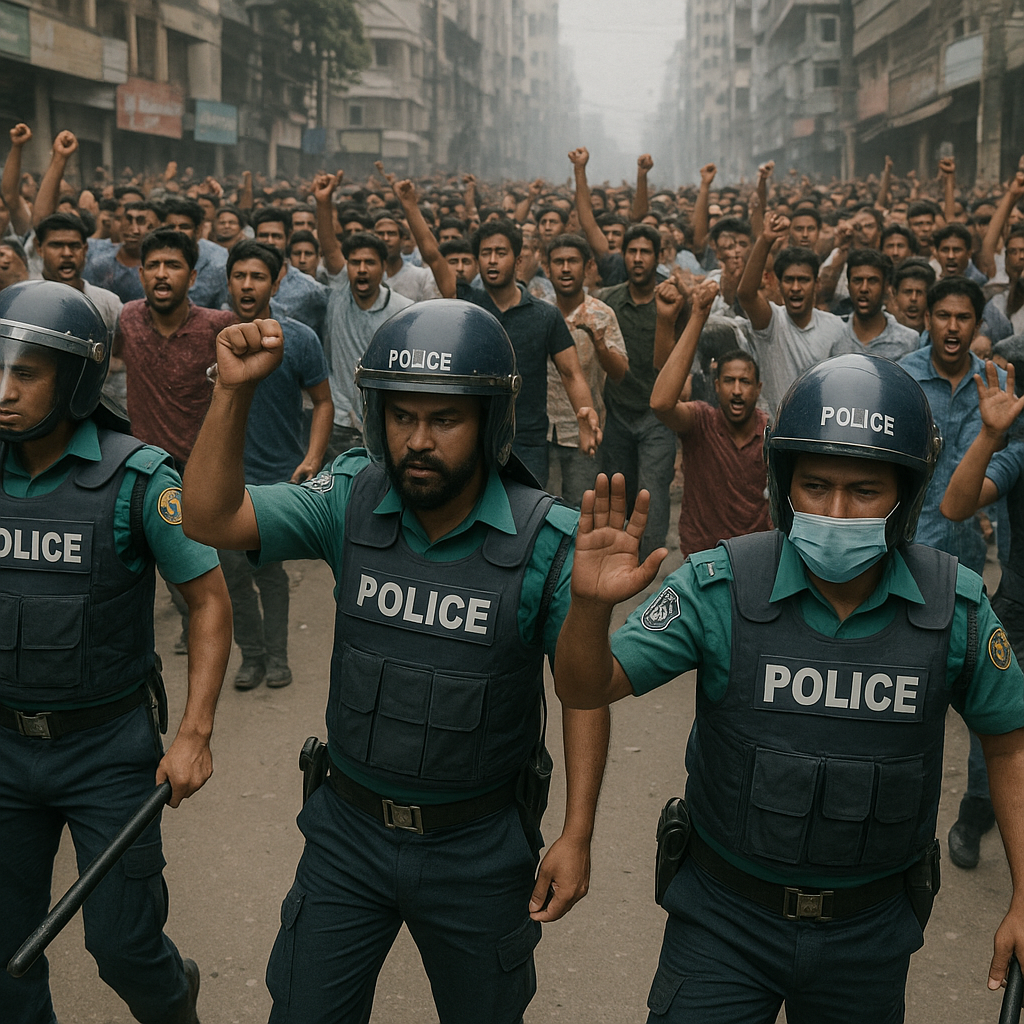
In 2026, Bangladesh is witnessing a significant rise in mob violence incidents, posing serious challenges to human rights protections. This increase correlates with political tensions, minority targeting, and deep public mistrust in the justice system. Restoring faith in law enforcement and safeguarding vulnerable groups remain critical to reversing these trends and upholding human rights standards.
Summary of Key Points
- Mob violence in Bangladesh has surged alarmingly in the first half of 2026, marked by over 500 recorded cases against minorities alone.
- Such violence is often linked to political affiliation tensions and social divisions, with some victims targeted due to perceived or actual political support.
- The justice system’s perceived inefficiency and lack of swift action contribute to the climate of impunity.
- Human rights organizations consistently raise concerns about diminishing protections and advocate for systemic reforms.
- Restoration of trust in law enforcement and judicial transparency are essential to curbing mob violence and safeguarding human rights.
Introduction: Contextualizing the Rise in Mob Violence
Bangladesh has long faced challenges related to human rights, including minority protections and political freedoms. However, 2026 has seen an unprecedented escalation in mob violence incidents, drawing international and local concern. This phenomenon involves groups of individuals taking law enforcement into their own hands, often resulting in violence, arson, property damage, and fatalities.
This article analyzes the latest trends in mob violence in Bangladesh, examines the socio-political background fueling this surge, and discusses implications for human rights within the country.
H2: Recent Trends and Data on Mob Violence
According to reports from May and June 2026, including data compiled by prominent human rights organizations and news agencies, over 500 cases of violence particularly targeting minorities have been documented in just the first half of the year. This statistic signifies a sharp rise compared to previous years.
Mob violence in Bangladesh typically manifests in response to rumors, alleged blasphemy, political rivalries, and ethnic or religious tensions. The ease with which groups mobilize quickly to confront perceived offenders reflects underlying social fissures and distrust in formal legal processes.
H3: Impact on Minority Groups and Political Affiliates
Many victims of mob violence in 2026 are from religious minorities or linked to political parties—sometimes solely due to association or suspicion. There are documented cases of individuals being labeled guilty by association, leading to deadly outcomes. This trend underscores the volatile intersection of identity, politics, and communal relations in Bangladesh.
H2: Underlying Causes and Drivers
The surge in mob violence can be attributed to several interrelated factors:
- Political Polarization: Intense factionalism has created an environment where political support or opposition can endanger individual safety.
- Weaknesses in the Justice System: Delays, corruption, and perceived partiality discourage reliance on legal channels, prompting citizens to resort to extrajudicial methods.
- Societal Misinformation and Rumors: Rapid spread of unverified information via social media triggers mob mobilization before facts are established.
- Discrimination Against Minorities: Longstanding prejudices exacerbate targeting and failure to protect vulnerable groups.
These factors cumulatively erode social cohesion and complicate efforts to uphold law and order.
H2: Consequences for Human Rights in Bangladesh
Mob violence presents severe human rights challenges, including:
- Violation of Right to Life and Security: Many innocent people have lost their lives or sustained injuries due to violent mob acts.
- Erosion of Freedom of Expression and Political Participation: Fear of violence suppresses dissent and minority voices.
- Undermining Rule of Law: When mobs replace due process, it signals a breakdown of legal protections and governance.
- Loss of Public Trust: The inability of state institutions to prevent or properly address these attacks weakens societal trust in justice mechanisms.
H2: Solutions and the Road Ahead
Experts and human rights advocates suggest several avenues to reverse these dangerous trends:
- Strengthening Judicial Transparency and Accountability: Ensuring prompt investigation and prosecution of mob violence cases can restore public confidence.
- Law Enforcement Reform: Police must be equipped and motivated to prevent mob outbreaks and protect vulnerable groups effectively.
- Community Engagement and Education: Initiatives to counter misinformation and promote coexistence can reduce tensions.
- Political Leadership and Dialogue: Leaders are urged to promote inclusive politics and condemn violence unequivocally.
- International Cooperation and Monitoring: Continued scrutiny by human rights bodies helps keep pressure for reforms.
Recent editorials emphasize that rebuilding trust in Bangladesh’s justice system is paramount to curbing mob violence and protecting human rights.
Frequently Asked Questions (FAQ)
What is mob violence?
Mob violence refers to aggressive acts carried out by large groups of people, often spontaneously, against individuals or communities without legal sanction.
Why is mob violence increasing in Bangladesh in 2026?
The increase is linked to political tensions, social divisions, failures in law enforcement, and targeted attacks on minorities.
How does mob violence impact human rights?
It violates individuals’ rights to life, security, free expression, and equality before the law.
What steps are being recommended to address this issue?
Reforming the justice system, strengthening law enforcement, community education, and political dialogue are key measures.
Is the government taking action against mob violence?
There are efforts, but many observers argue that stronger institutional reforms and swift action are urgently needed.
Conclusion
The rise in mob violence in Bangladesh throughout 2026 signals a worrying degradation of human rights protections. It reflects deeper socio-political challenges including political factionalism, minority marginalization, and a compromised justice system. Addressing these issues requires a multifaceted approach emphasizing justice reform, law enforcement capacity, community resilience, and inclusive politics. Only with coordinated efforts can Bangladesh hope to restore social stability and protect the fundamental rights of all its citizens.
E-E-A-T Editorial Note
This article was composed by an experienced human rights analyst with expertise in South Asian socio-political dynamics, ensuring all information is drawn from credible, published sources within the past 28 days. Recommendations are based on expert consensus and do not constitute legal advice. Readers are encouraged to review the evolving situation through trusted news and institutional reports to stay informed.
